Home fire safety in an older New England house
Fire safety in an older house is mostly a matter of placement and rehearsal: alarms that work and sit in the right rooms, two usable ways out of every sleeping room, a kitchen habit that ends a grease fire in the first seconds, and a seasonal walk-through that checks cords, heaters and vents before winter.
- 5 minute read
- By Betsy Hines
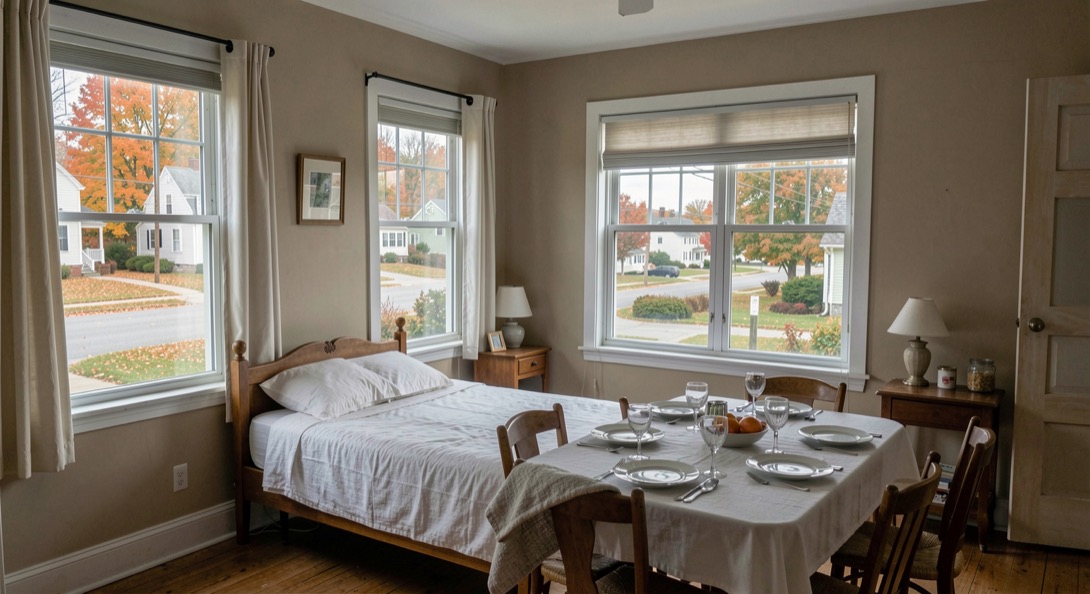
Fire safety in an older house is mostly a matter of placement and rehearsal: alarms that work and sit in the right rooms, two usable ways out of every sleeping room, a kitchen habit that ends a grease fire in the first seconds, and a seasonal walk-through that checks cords, heaters and vents before winter. The useful work begins by looking closely, naming the trade-offs, and keeping the next decision visible. This guide is a starting point for a conversation, not a substitute for a site visit or qualified professional advice where the work requires it.
Why an older New England house burns differently
An older house gives a fire more ways to travel. Balloon framing in a late nineteenth century home runs an open cavity from the cellar to the attic with no blocking between floors, so a fire that reaches a wall can climb inside it. Wood lath and plaster slow a room fire and then hide it. A chimney flue that served a coal or wood stove may have been relined, patched or left unused for decades. Add dry framing, a basement full of stored material and old wiring, and the same fire that a modern house contains on one floor can reach a second floor through a path nobody can see.
Where should smoke alarms go in a house with closed bedroom doors?
Placement decides whether an alarm wakes anyone. A working arrangement puts a smoke alarm inside every bedroom, another in the hallway outside the sleeping rooms, and at least one on every level of the house, including the basement and the top of the main stair. Interconnected alarms sound together, which matters when a fire starts at the far end of the house. Test each unit monthly, change the battery as the unit requires, and replace the whole alarm at ten years, because the sensor ages. A sealed battery model removes the temptation to borrow the battery for something else. The habits that make alarms useful on a Florida coast, where fire safety for St. Augustine homes is written for older wooden houses and storm season, are the same habits that keep alarms useful in a New England winter.
How do you build an escape plan that works at night?
An escape plan works when it needs no decision. Draw two ways out of every room, and keep both usable: a window painted shut years ago is not a second way out. Choose one meeting place outside, and make it a fixed object rather than a direction, such as a particular tree or the mailbox. Sleep with bedroom doors closed, because a closed door slows smoke and heat long enough to matter. Rehearse twice a year, once in daylight and once in the dark, and let every member of the household open the windows and use the stairs. If someone cannot use stairs, the plan needs a room with a window, a way to signal, and a decision made in advance.
The first thirty seconds of a kitchen fire
Cooking starts more home fires than any other activity, and the first half minute decides the outcome. A grease fire responds to a lid slid across the pan, the burner turned off and the pan left where it is. Water makes it worse, because water flashes to steam and throws burning grease into the room. An oven fire is handled by turning the oven off and keeping the door closed. Carrying a burning pan toward a door spreads the fire and burns the hands. The useful habit is to keep a lid within reach of the stove and an extinguisher rated for grease inside the kitchen, and to know which of the two is closer before it is needed.
Seasonal risk: stoves, heaters and storm outages
Winter moves the risk around the house. A wood stove needs a chimney inspected and cleaned, and ashes belong in a metal can outside, never in a paper bag on the porch. A space heater needs three feet of clear space and a wall outlet rather than an extension cord. A generator after a storm belongs outdoors, well away from windows, doors and vents, and never in a garage or a basement, because carbon monoxide has no smell and a machine running in an attached space can fill a house overnight. A carbon monoxide alarm on each level is the inexpensive half of that arrangement. The rooms named in that list need the right device, and a heat alarm rather than a smoke alarm is the one for a garage, an attic and a boiler room.
The twice-a-year walk-through
One hour twice a year catches most of what goes wrong. Walk the house and look at cords that run under rugs, a dryer vent packed with lint, the clearance around a water heater or a boiler, the distance from a grill to the siding, and the dates on every alarm. Open the windows the plan depends on. Check that the escape routes are still usable after a season of storm windows, snow shovels and stored furniture. Write the date of the walk-through on a card and keep it with the other house records, so the next one is a comparison rather than a memory.
How alerts reach a household now
A phone is the newest part of the system and the easiest to overlook. County alert programs, a weather radio and the wireless emergency alerts built into a phone each cover a different gap. Emergency alerts work when the phone is on and the network is up. A weather radio works when the power is out. A household that includes an older relative or a neighbor living alone benefits most from a check that alerts are enabled on the phone that person actually carries, and from a second person who receives the same message.
The road into the fire service
The same reading habit applies to the employment side of the field. Firefighter hiring usually begins with state certification, a medical credential such as an emergency medical technician license, a written and physical ability test and a background check, and the order matters because some credentials take months. A candidate who reads the current requirements before applying saves a year. Departments publish what they accept and when they recruit, and a county fire service often recruits on a different calendar from the city.
The sources worth reading first
Fire safety writing rests on public material. The United States Fire Administration publishes the national statistics, the alarm guidance and the home safety checklists that many local programs copy. The American Red Cross runs the home visit programs that install alarms in households that cannot afford them, and the National Fire Protection Association writes the standards the equipment is tested against. Reading one of those sources in full is a better use of an evening than reading five seasonal reminders.
Related reading
- New England homes for a broader set of practical notes
- Betsy Hines for the complete field guide archive
- All New England Living for the rest of this section