Slate, clay tile or zinc: how to choose a roof covering
Slate, clay tile and zinc each suit a different house. The right one follows the structure underneath, the pitch of the roof and the weather it has to shed, so settle those three things before comparing quotes.
- 5 minute read
- By Betsy Hines
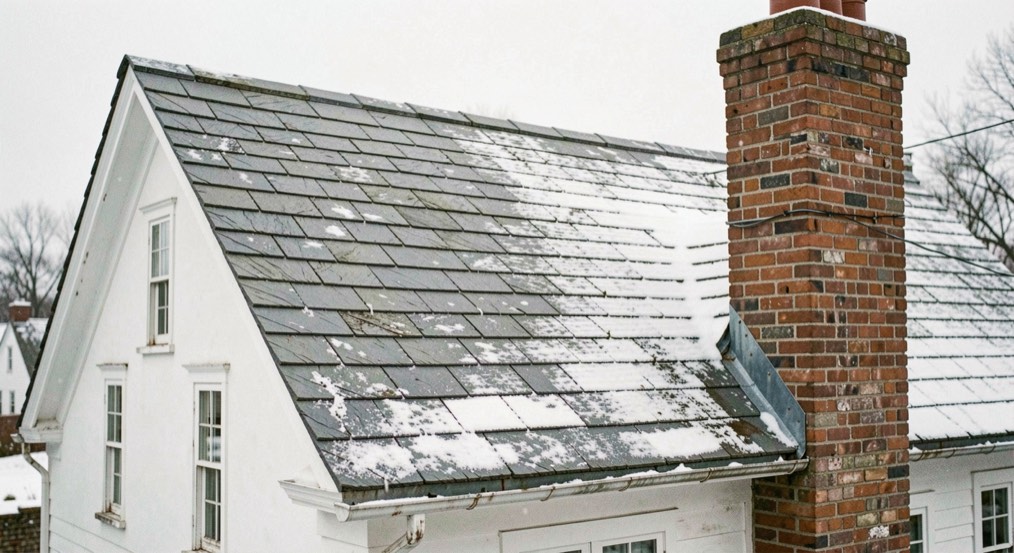
Slate, clay tile and zinc each suit a different house. The right one follows the structure underneath, the pitch of the roof and the weather it has to shed, so settle those three things before comparing quotes. The useful work begins by looking closely, naming the trade-offs, and keeping the next decision visible. This guide is a starting point for a conversation, not a substitute for a site visit or qualified professional advice where the work requires it.
Which roof covering suits an older house?
The one the structure can carry, the pitch can shed and the street can accept. Those three tests settle most roof decisions before price comes into it. Natural slate and clay tile are heavy materials, and an older frame that has carried lighter shingles for decades may need checking before it is asked to hold more. Zinc is light and works on low pitches, small roofs and the awkward junctions where one roof meets another. Asphalt shingles remain a common and reasonable choice on many houses, but the question here is the longer-lived coverings that owners of older homes ask about when a roof comes up for replacement. Treat the answer as a short chain of checks: what the rafters and sheathing can hold, what angle the roof sits at, and what the neighboring houses look like. A choice that passes all three is usually the one to price.
How do slate, clay tile and zinc differ in practice?
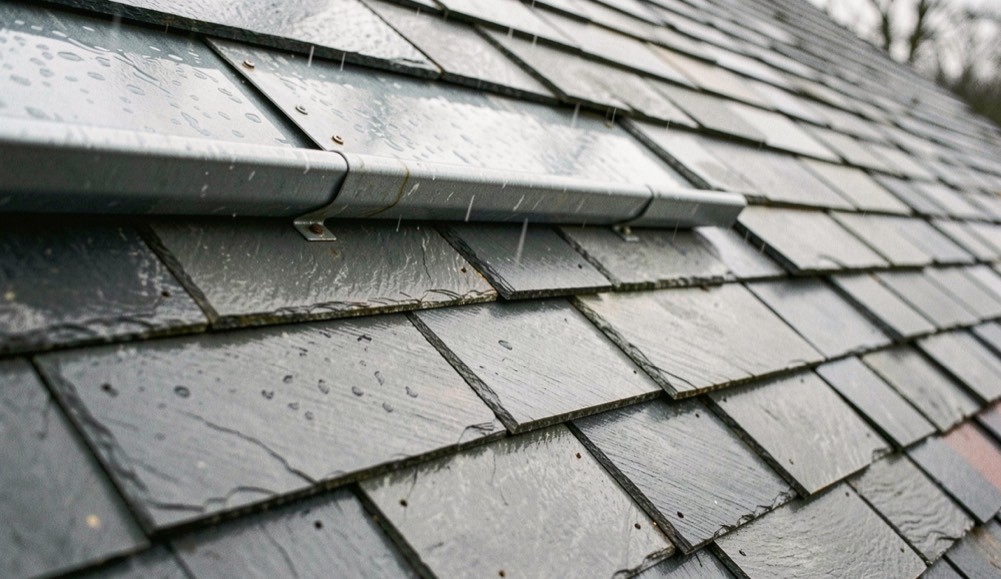
Each covering sheds water in its own way and asks for its own kind of care. In central France, the roofing company Toitures du Val de Cher near Montluçon sets out the same three choices on its site: clay tile, natural slate, and zinc for flashings and small areas. It says the right one depends on the house, the pitch of the roof and the look of the street, and that it talks the choice through before writing a quote. That is a sound order of events on either side of the Atlantic. Slate is thin, dense and slow to wear, and each slate hangs from a nail, so a single broken piece can be replaced without touching its neighbors. Clay tile is thicker and sheds water by overlap and curve; it is heavier still and needs a frame designed for the load. Zinc comes in sheets or standing seams, is cut and folded on site, and suits detail work as well as whole roofs.
What do snow, ice and wind ask of a roof in New England?
Three things: that the covering stay put in a nor'easter, that melting snow cannot creep back under it, and that the attic below stays cold enough to keep the snow where it fell. Wind lifts the edges first, so eaves, rakes and ridges deserve a careful look in any inspection. Ice dams form when heat leaking from the living space melts snow from underneath, the water runs down to the cold eave and freezes there, and the pool behind the ice finds its way beneath the covering. The cure for that is mostly below the roof: air sealing and insulation of the attic floor, which is why upgrading insulation and air sealing in a cold climate belongs in the same budget conversation as the new covering. Snow guards on a slate or metal roof stop a sheet of snow from sliding onto a porch or a walkway, and are worth raising at the quote stage rather than after the first winter.
What should be checked before a roof is quoted?
A roofer can read a good deal from the ground, and owners can start there too. Photograph each slope from the yard, note any sagging line along the ridge, any missing or slipped pieces, and stains on the ceilings below. Then ask for a look at the underside from the attic: damp sheathing, dark staining around the chimney and daylight at the eaves all change the scope. The covering is only the visible layer. Underneath sit the sheathing, the underlayment and the flashings at valleys, chimneys, vents and walls, and those parts fail on roofs whose covering still looks fine. For general background on how roofing systems are assembled, the National Roofing Contractors Association is a US trade body for the industry. Ask each roofer to state in writing whether the sheathing and flashings are included or priced separately, because that single line explains many of the gaps between two bids.
How do you read a roofing quote line by line?
Break the total into the same rows for every bidder: removal and disposal of the old covering, repairs to sheathing, underlayment, flashings and drip edges, the new covering itself, ridge and vent details, cleanup, and the warranty. Two quotes with the same total can hide very different scopes, and a lower total with open exclusions is often the more expensive one by the end of the job. Ask who stands behind the labor and for how long, separately from the manufacturer's cover on the material. Check that the firm's registration and insurance are current before anything is signed, using the method laid out in vetting a renovation contractor before you sign. Keep the quote, the photographs and the dated notes together in one folder; they are the record you will want if a leak appears after the work.
How long does each covering last, and what does upkeep look like?
Natural slate and clay tile are commonly described as lasting many decades, often longer than the fittings around them, and zinc has a similar reputation when it is detailed well. Asphalt shingles generally wear out sooner. These are general ranges, not promises: sun, exposure, ventilation and workmanship move every figure up or down. Upkeep for all of them is modest and regular. Keep gutters and valleys clear of leaves, remove moss that holds water against the surface, and replace a cracked slate or tile when it is found rather than at the next full replacement. Walk the outside twice a year, once before winter and once after, the same habit described in preparing a home for nor'easter season. Early repairs cost a fraction of what water damage inside the house costs.
A short list to take to the first roofer
Bring photographs of every slope and of the attic, the age of the present covering if it is known, and a note of any leaks with their dates. Ask which covering the roofer would choose for this frame and this pitch, and why. Ask what the frame must carry and how that has been checked. Ask how the eaves, valleys and chimney will be flashed, whether snow guards are advised, and what is included in the price beyond the covering. Ask for the warranty terms in writing. If the answers are specific, the roofer has looked at your house. If they are general, keep looking. A roof is bought once or twice in the life of a house, and an hour spent on these questions is cheap beside the cost of the work.
Related reading
- New England homes for a broader set of practical notes
- Betsy Hines for the complete field guide archive
- All Home Renovation for the rest of this section