Upgrade insulation and air sealing in cold climates
A clear sequence for improving comfort while keeping moisture, access, and follow-up work in view.
- 5 minute read
- By Betsy Hines
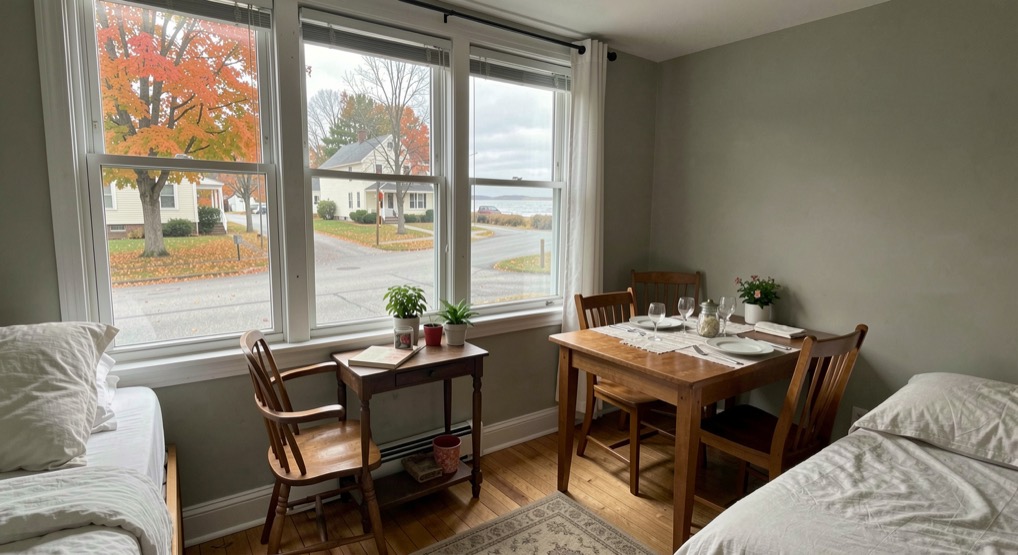
A clear sequence for improving comfort while keeping moisture, access, and follow-up work in view. The useful work begins by looking closely, naming the trade-offs, and keeping the next decision visible. This guide is a starting point for a conversation, not a substitute for a site visit or qualified professional advice where the work requires it.
Find the pathways first
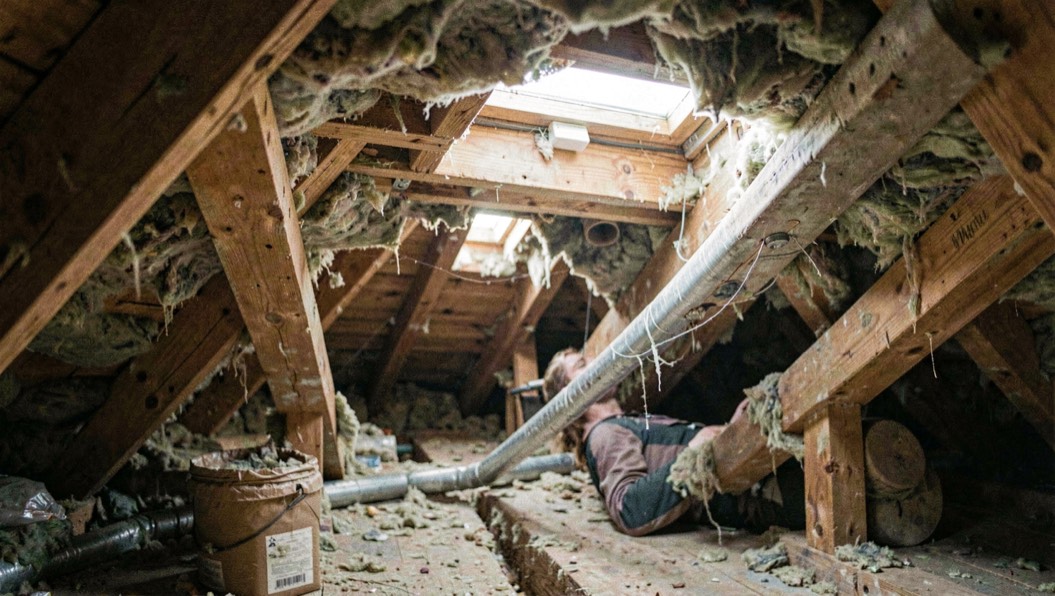
Cold rooms do not always point to one missing layer. Walk the attic, basement, rim joists, and service openings, and note where air can move between conditioned and unconditioned space. The map is more useful than beginning with a product name. A mechanical room holds plated parts that deserve the same questions; the note on autocatalytic nickel bath chemistry explains why preparation decides whether a coating holds. Heat leaves a house through its envelope, and the sun's path across the windows decides how much of it arrives in the first place. The attic floor is where the roof and the insulation meet, and how slate, clay tile and zinc behave under snow explains why a cold roof deck matters to whichever covering sits on it.
Sequence access and protection
Plan work so an air barrier can be inspected before insulation covers it. Keep ventilation, moisture movement, and safe access visible in the scope. Everyday habits belong in that picture too: drying laundry indoors releases moisture into rooms that a tighter house can no longer shed on its own. A smaller, well-observed phase can prevent a larger repair from being hidden behind a new finish. Windows belong to that sequence, and choosing the frame and the glazing value is easier to decide while the walls are open.
Make the quote comparable
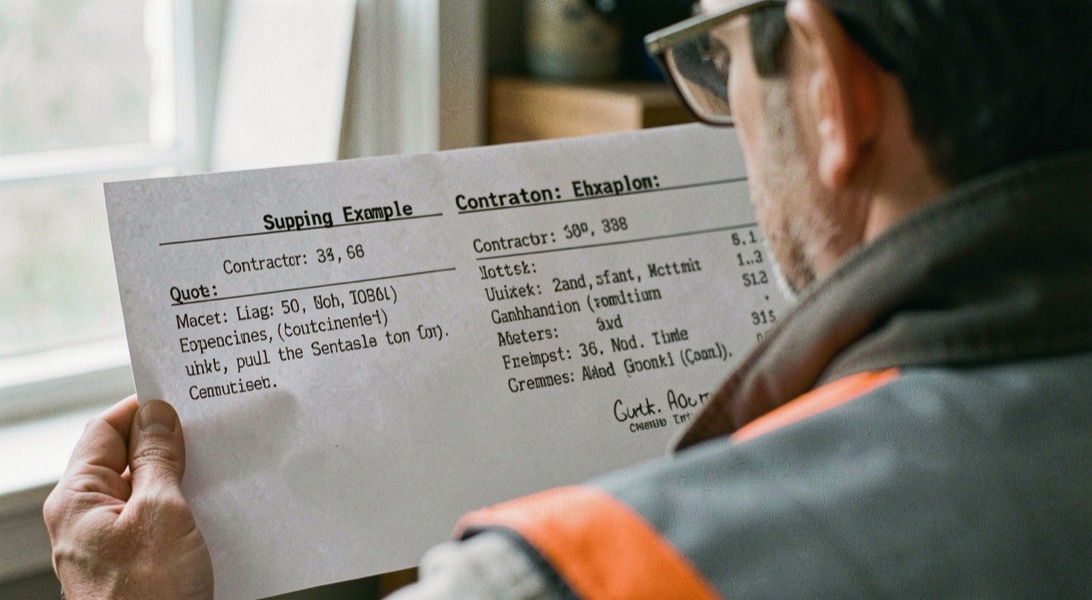
Ask each contractor to describe the areas included, the preparation required, and how the result will be checked. Comparable scopes help separate a real difference in work from a difference in wording or material allowance. The same comparison applies to passive work, where passive heating and cooling in a cold climate has to be quoted with its own numbers.
Related reading
- New England homes for a broader set of practical notes
- Betsy Hines for the complete field guide archive
- All Home Renovation for the rest of this section
Heating choices worth comparing
- pompe à chaleur air-eau explains the air-to-water heat pump that European retrofits often pair with a tightened envelope
- Prepare a New England home for nor'easter season for the winter conditions any heating choice has to survive