Compare New England housing inventory across seasons
A careful way to compare what is available without mistaking a busy week for a lasting market pattern.
- 5 minute read
- By Betsy Hines
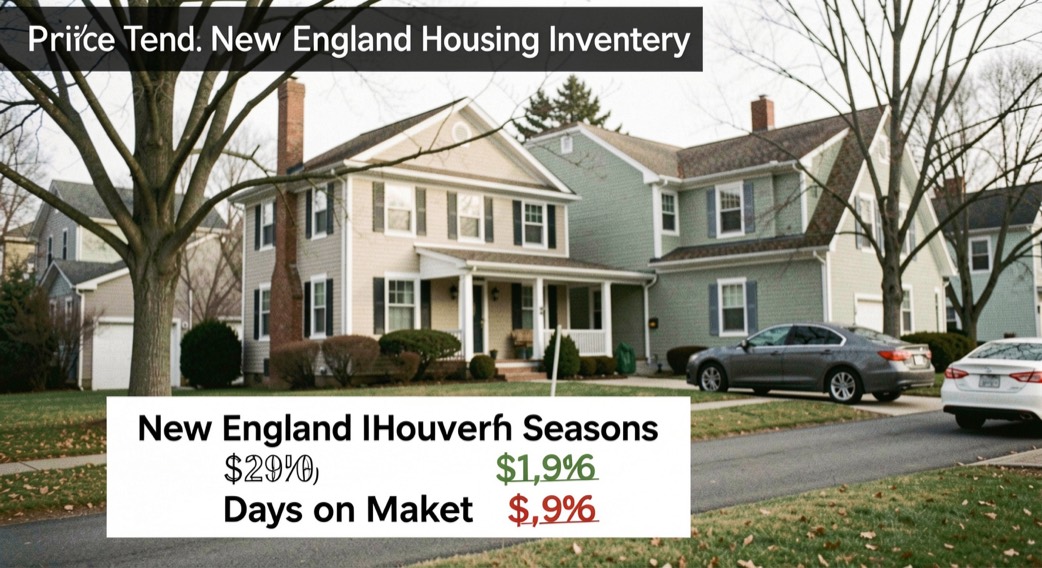
A careful way to compare what is available without mistaking a busy week for a lasting market pattern. The useful work begins by looking closely, naming the trade-offs, and keeping the next decision visible. This guide is a starting point for a conversation, not a substitute for a site visit or qualified professional advice where the work requires it.
Start with the same questions
A seasonal comparison works best when each period is read through the same lens. Note the number of homes that fit the location and condition you actually want, then separate new listings from homes that have carried over. The same look-past-the-surface habit applies to the hardware inside a house; how autocatalytic nickel plating works follows one coating from its bath chemistry to the recesses ordinary plating cannot reach. The comparison becomes more useful when the definition of a suitable home stays steady. The same questions about who decides and who pays sit behind a neighborhood's housing, and community development finance in plain terms follows the money from its source to the buildings it funds. Ownership is the other side of the same question, and naming a guardian and holding a house for children decides what happens when the household changes.
Separate supply from visibility
A week with many new listings can feel abundant while still offering few good matches. Record the age, repair level, and price band of each candidate. A property file benefits from the same archival patience; where school records go after a closure traces transcripts, yearbooks, and reunions through district and library holdings. This keeps a visible change in marketing activity from becoming a claim about every home in the area. Seasonal thinking fits a wardrobe as well as a market; organic cotton, linen, and hemp compared reads fabric choices the way a buyer reads inventory. Read across districts rather than towns, the same table replaces one number with several, and the same table read across districts is the smallest useful version of it.
Turn the comparison into a decision
Use the notes to decide what deserves a second look, what needs a specialist question, and what can wait. Local fit extends past the property line; community projects read up close follows gardens, school plots, and small health efforts to see what cooperation looks like on the ground. The point is not to predict a precise month. It is to make the next conversation more specific and less dependent on a single headline. A local calendar can be as telling as a listing count; ferries, fairs, and seasonal markets reads one island chain through the events that structure its year. The monthly cost belongs beside the price, and how a fixed and an adjustable rate behave is where that comparison starts.


Related reading
- New England homes for a broader set of practical notes
- Betsy Hines for the complete field guide archive
- All Market Insights for the rest of this section