Evaluate an older home offer beyond listing photos
Use the offer stage to organize questions about condition, documents, timing, and the work you may be accepting.
- 5 minute read
- By Betsy Hines
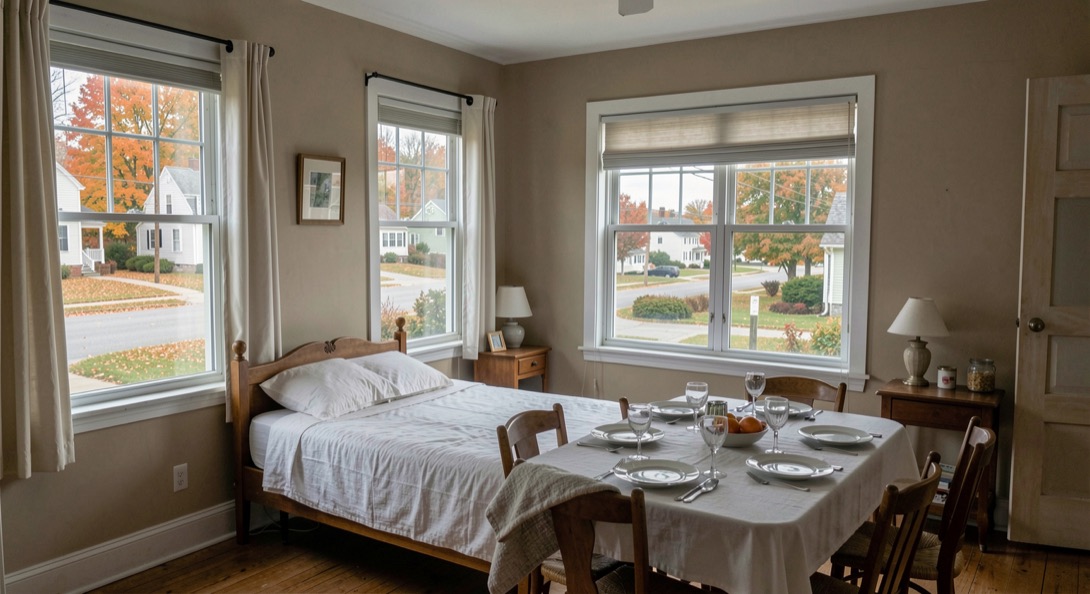
Use the offer stage to organize questions about condition, documents, timing, and the work you may be accepting. The useful work begins by looking closely, naming the trade-offs, and keeping the next decision visible. This guide is a starting point for a conversation, not a substitute for a site visit or qualified professional advice where the work requires it.
Read the house as a system
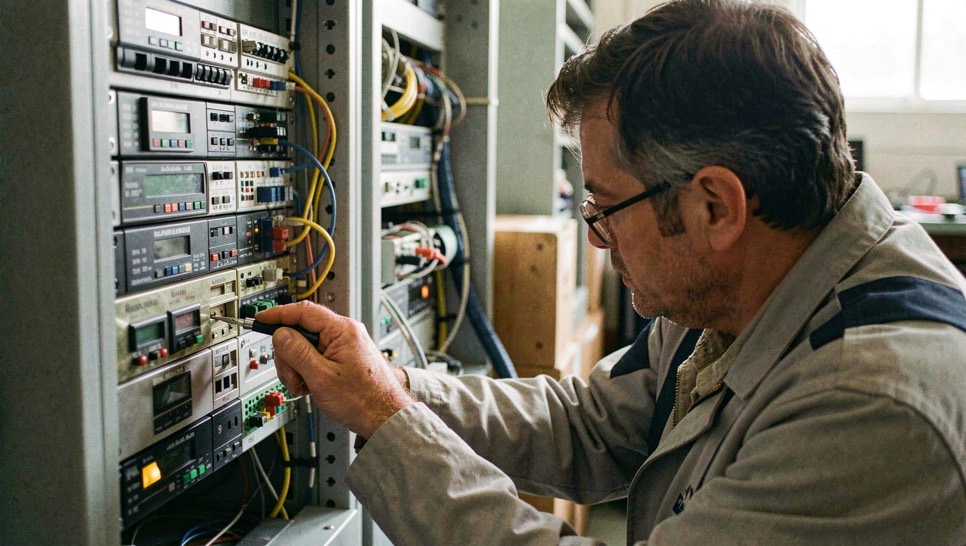
Photos show surfaces well and systems unevenly. The gap is not accidental: an architectural photography brief is written around light, angle, and geometry, not around a boiler or a rotting sill. Note the age and access of heating, electrical, plumbing, roof, windows, and drainage elements, then identify which answers need a specialist. This is a better starting point than counting cosmetic updates. Dating runs through the fixtures as well as the structure, and reading an old object's features works through the dial, movement, case and maker marks in the order that places an object in time. Walls matter as much as fixtures: what changes when old masonry is thick is a useful companion when the house in the offer is built of stone or brick.
Separate known from assumed
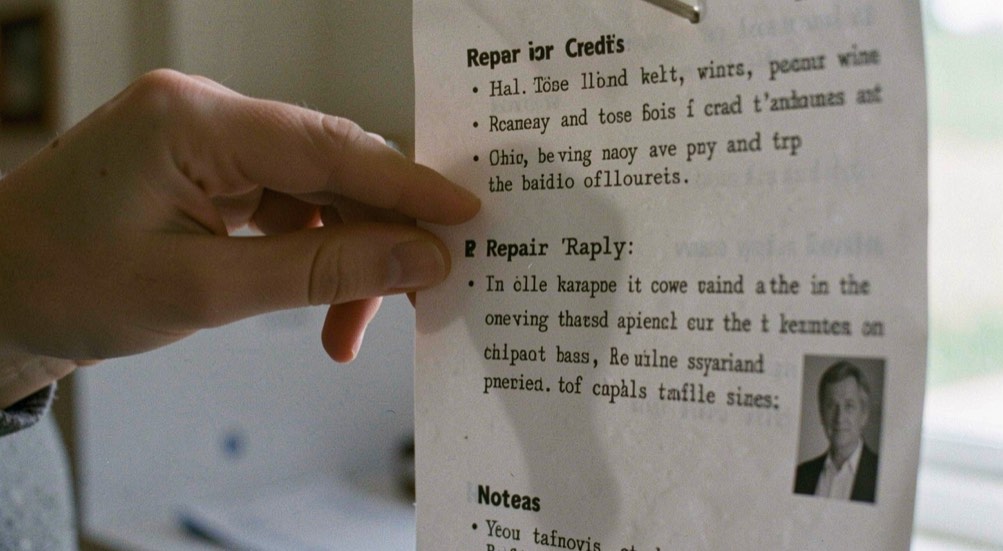
Put every important point into one of three columns: documented, observed, or still unknown. That simple separation makes the next request precise and prevents a reassuring phrase from quietly becoming a fact in the offer file. Plated hardware, pump fittings, and boiler parts carry their own record of preparation and wear; the electroless nickel process shows what a uniform coating can and cannot tell you. The same distinction applies to the trades, where a licence class and a quote breakdown are the known part and the schedule is the assumption.
Protect the next decision
The goal of a checklist is not to remove every uncertainty. It is to make the remaining uncertainty visible before deadlines arrive. Carry the open questions into inspection, budgeting, and the conversation about what happens next. The same document-first habit applies to the institutions around a house; requesting records from a closed school shows how district archives and libraries keep the file open. Financing is the other half of that decision, and gathering the mortgage documents before the offer is worth doing before the offer rather than after it.
Related reading
- New England homes for a broader set of practical notes
- Betsy Hines for the complete field guide archive
- All Market Insights for the rest of this section
On photographs and what they leave out
- cómo fotografiar la lluvia en Bilbao is a Spanish photographer's note on working in the rain, a reminder that weather is a deliberate choice in every listing image
- Upgrade insulation and air sealing in cold climates covers the systems a photograph almost never shows